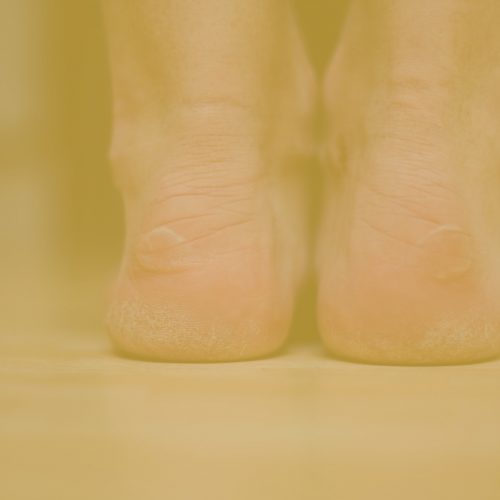

Heel pain, and more specifically plantar heel pain (PHP), is a frequent foot problem that can make it difficult to participate in day-to-day activities and lower overall quality of life. To our good fortune, there is a wide variety of therapy choices accessible, ranging from traditional approaches to cutting-edge forms of therapeutic intervention. This article dives into the various ways that heel pain may be effectively managed and treated.
Conservative Treatment Options
Conservative treatments are often the first line of defence against heel pain. They are non-invasive, cost-effective, and can be easily implemented. Here’s a deeper look into these methods:
1. Strapping Techniques
- Overview: This method involves using medical tape or specialised foot strapping to support the foot.
- Benefits: Strapping provides immediate support to the foot’s arch, reducing strain on the plantar fascia. It can also help maintain foot alignment and be a temporary solution before custom orthotics are available.
- Duration: Typically, strapping is worn for a few days to a week. It’s essential to ensure the skin does not become irritated from the adhesive.
2. Home Exercise Program
- Overview: A series of stretches and strengthening exercises tailored to address the specific causes of an individual’s heel pain.
- Key Exercises:
- Calf Stretch: Helps in loosening the calf muscles, reducing tension on the heel.
- Towel Stretch: While sitting, place a rolled towel under the ball of your foot, holding the towel at both ends. Gently pull the towel towards you while keeping your knee straight.
- Marble Pickup: Strengthen the foot muscles by picking up marbles with your toes.
- Benefits: Regular exercises can improve flexibility, reduce tension in the plantar fascia, and strengthen foot muscles, all of which can help prevent future occurrences of heel pain.
3. Cold Compress
- Overview: Apply a cold pack or ice wrapped in a cloth to the affected heel.
- Benefits: A cold compress can help reduce inflammation and provide immediate relief from pain. It’s especially beneficial after prolonged standing or walking.
- Duration: Applying the cold compress for 15-20 minutes is recommended, ensuring the skin does not become too cold or frostbitten.
4. Rest and Elevation
- Overview: Take a break from activities that aggravate the heel pain and elevate the foot.
- Benefits: Resting allows inflamed tissues to heal, while elevation helps reduce swelling.
- Recommendation: It’s essential to listen to your body. If an activity causes pain, it’s a sign that you should take a break and give your foot the rest it needs.
Advanced Management Technologies
When conservative treatments don’t provide the desired relief, or if the heel pain is chronic or severe, advanced management technologies come into play. These methods are more specialised and often require the expertise of a trained professional.
1. Shockwave Therapy
- Overview: This non-invasive procedure uses acoustic waves to stimulate healing in the affected area.
- Benefits: Shockwave therapy can promote cell regeneration, increase blood circulation, and break down calcified fibroblasts. It’s particularly effective for chronic cases of plantar fasciitis that haven’t responded to other treatments.
- Procedure: A device delivers acoustic waves to the affected area. The treatment might cause mild discomfort, but it’s generally well-tolerated by patients.
- Duration: Multiple sessions spread over several weeks are typically recommended for optimal results.
2. Foot Mobilisation and Manipulation
- Overview: These are hands-on techniques where a therapist manually mobilises or manipulates the joints and soft tissues of the foot.
- Benefits: These techniques can improve foot and ankle mechanics, reduce strain on the plantar fascia, and alleviate pain. They can also enhance the foot’s range of motion.
- Procedure: A trained therapist will use specific hand placements and movements to adjust and mobilise the foot’s structures.
3. Tool-Assisted Massage
- Overview: This method involves using specialised tools to perform deep tissue massage.
- Benefits: Tool-assisted massage can break down scar tissue, improve blood flow, and promote healing in the affected area. It can also help in relieving muscle tightness and improving flexibility.
- Procedure: A therapist uses stainless steel instruments with unique shapes to apply targeted pressure to specific foot areas, enhancing the therapeutic effects of a traditional massage.
4. Laser Therapy
- Overview: A non-invasive treatment that uses specific wavelengths of light to stimulate healing.
- Benefits: Laser therapy can reduce inflammation, promote cell regeneration, and relieve pain. It’s especially beneficial for soft tissue injuries.
- Procedure: A device emits light penetrating the skin’s layers, targeting the affected area. The treatment is painless, and patients might feel warm during the procedure.
- Duration: The number of sessions required varies based on the severity of the condition and the patient’s response to the treatment.
Additional Treatment Options
Beyond the conservative and advanced treatments, other supplementary methods can be employed to address heel pain. These options can be used with other treatments to enhance recovery and provide relief.
1. Dry Needling
- Overview: This technique involves inserting fine, sterile needles into specific points, known as myofascial trigger points, in the muscles.
- Benefits: Dry needling can help release tight muscle bands, improve blood flow, and reduce pain. It’s particularly effective for addressing muscle tension and spasms.
- Procedure: A trained therapist identifies the trigger points and inserts needles into these areas. The sensation is often described as a muscle twitch or cramp followed by muscle relaxation.
2. Orthotic Therapy
- Overview: Custom-made insoles or shoe inserts are designed to support, align, and improve the foot’s function.
- Benefits: Orthotics can provide the necessary support and alignment, reducing plantar fascia strain and correcting biomechanical imbalances.
- Procedure: A podiatrist will assess the patient’s foot structure, gait, and specific needs. Impressions or scans of the feet are then taken to create tailored orthotics.
3. Physical Therapy
- Overview: A series of exercises and treatments designed to strengthen the foot muscles, improve flexibility, and address the root causes of heel pain.
- Benefits: Physical therapy can provide long-term relief by addressing biomechanical issues, improving muscle balance, and enhancing overall foot function.
- Procedure: A physical therapist will evaluate the patient’s condition and design a personalised treatment plan, including exercises, manual therapies, and other modalities.
Importance of Proper Footwear
Heel pain prevention and treatment depend on proper footwear. Fitted, supportive shoes alleviate pressure on the plantar fascia, the thick band of tissue across the bottom of the foot. Overstressing this tissue can cause plantar fasciitis, inflammation, and discomfort. Proper footwear aligns the foot, distributes weight properly, and prevents pressure on any area of the foot.
Good arch support also prevents overpronation, which can worsen heel discomfort. For people who stand a lot, footwear must be cushioned. Shock absorption reduces heel and foot impact with enough cushioning. However, biomechanical imbalances from old or ill-fitting shoes might increase foot issues. The appropriate shoes are both comfortable and prevent foot problems like heel discomfort.
Medication and Injections
When dealing with heel pain, especially in its acute stages, medication can be vital in providing relief and managing inflammation. Over-the-counter pain relievers, such as ibuprofen or naproxen, are commonly used to reduce inflammation and alleviate pain.
These nonsteroidal anti-inflammatory drugs (NSAIDs) act by inhibiting enzymes responsible for producing pain and inflammation-causing chemicals in the body. It’s essential to use them as directed and be aware of potential side effects, especially prolonged use.
A doctor might prescribe stronger pain relievers or anti-inflammatory drugs for those who don’t find sufficient relief with over-the-counter medications. It’s crucial to take these medications only under the guidance of a healthcare professional to ensure safety and monitor any potential side effects.
In cases with severe or persistent heel pain, corticosteroid injections might be considered. These injections directly deliver a potent anti-inflammatory agent to the inflamed area, providing rapid relief. The procedure involves injecting a corticosteroid and a local anesthetic into the painful heel region.
While corticosteroid injections can be highly effective, they are used judiciously, as repeated injections can weaken the plantar fascia and potentially cause it to rupture. It’s also worth noting that the relief from these injections can be temporary, and they might not address the root cause of the pain.
In addition to corticosteroids, other types of injections, such as platelet-rich plasma (PRP) or stem cell injections, are being explored as potential treatments for chronic heel pain. These treatments aim to harness the body’s natural healing mechanisms to repair damaged tissue and reduce inflammation.
While medications and injections can offer significant relief from heel pain, they are most effective as part of a comprehensive treatment plan that addresses the underlying causes of the pain.
Key Points to Remember
- Early intervention is crucial. The sooner you address the issue, the better the outcomes.
- Always consult a podiatrist or foot specialist for a tailored treatment plan.
- Regular foot exercises and stretches can prevent the recurrence of heel pain.
- Ensure you maintain a healthy weight to reduce strain on your feet.
Conclusion
Pain in the heel can be incapacitating at times, but if treated appropriately and with the appropriate strategy, it can be efficiently managed. It is vital to talk with an expert to ensure that you are on the correct route to recovery. This is the case regardless of whether you choose traditional therapies or more modern ones.