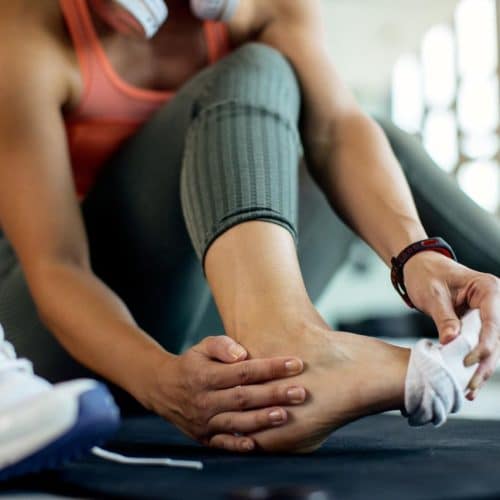

Many sportsmen and other people who lead busy lifestyles are familiar with the illness known as Achilles tendonitis. It’s an inflammation of the Achilles tendon, which is a painful condition that occurs where the tendon joins the calf muscles to the heel bone. But what precisely sets off this condition, and how exactly can one avoid getting it in the first place? Let’s delve even more into the subject at hand.
What Triggers Achilles Tendonitis?
Achilles tendonitis is primarily an overuse injury, but several factors can contribute to its onset. Understanding these triggers can help in its prevention and management.
- Repetitive Movement and Overuse: The Achilles tendon, one of the longest tendons in the body, is designed to withstand significant stress. However, repetitive activities like running, jumping, or sudden movements can cause microtears in the tendon. Over time, without adequate rest, these microtears can lead to inflammation and pain.
- Improper Footwear: The shoes you wear play a pivotal role in the health of your Achilles tendon. Footwear that lacks proper support and cushioning or is worn out can alter your gait and put additional strain on the tendon. Especially for athletes, it’s crucial to wear sport-specific shoes that cater to the demands of the activity.
- Tight Calf Muscles: The calf muscles play a direct role in the movement and flexibility of the Achilles tendon. If these muscles are tight, they can pull and create additional tension on the tendon, making it more susceptible to injury. Regular stretching can help in keeping these muscles flexible.
- Sudden Increase in Activity: A common mistake many individuals make is rapidly increasing their physical activity levels without giving their bodies adequate time to adjust. This sudden increase can shock the Achilles tendon, leading to strain and potential injury. Following a gradual training progression is essential, especially when taking up a new sport or activity.
- Biomechanical Issues: Some individuals may have foot structures or walking patterns that put extra stress on the Achilles tendon. For instance, flat feet or overpronation can cause the arch of the foot to collapse, stretching the tendon. In such cases, custom orthotics or physical therapy can be beneficial.
- Age: As we age, our tendons tend to lose their flexibility and become more prone to injuries. The Achilles tendon, being frequently used, can become stiffer and less resilient over time, making older adults more susceptible to tendonitis.
- Medical Conditions: Certain medical conditions, such as high blood pressure or diabetes, can restrict blood flow to the Achilles tendon, making it more vulnerable to injury. Individuals with these conditions need to be extra cautious and maintain good foot health.
- Medications: Some medications, particularly certain antibiotics, have been linked to an increased risk of Achilles tendonitis. Always consult with your healthcare practitioner about the potential side effects of medications.
Symptoms of Achilles Tendonitis
Achilles tendonitis manifests in various symptoms, ranging from mild discomfort to severe pain. Recognising these symptoms early can aid in timely intervention and prevent further complications.
- Pain and Stiffness: One of the most common symptoms is a mild ache or pain in the back of the leg or above the heel, especially after running or other sports activities. This pain often becomes more pronounced after prolonged running, stair climbing, or sprinting. Additionally, stiffness in the tendon may be felt, particularly in the mornings.
- Severe Pain: After extended periods of exercise or activity, the pain associated with Achilles tendonitis can become more severe. This pain often subsides with rest but can become a persistent issue if the condition is not addressed.
- Swelling and Inflammation: The area around the Achilles tendon may become swollen and warm to the touch. This swelling can be constant or might come and go with activity levels.
- Thickening of the Tendon: Over time, especially in chronic Achilles tendonitis cases, the tendon may thicken. This thickening can be felt, and in some cases, visible lumps or nodules may form on the tendon.
- Restricted Range of Motion: As the condition progresses, there might be a noticeable limitation in the range of motion, especially when flexing the foot.
- Tenderness: The area might become tender to touch, especially when pressing on the tendon or the surrounding area.
- Audible Sound: In some cases, a creaking or crackling sound (known as crepitus) can be heard when moving the affected ankle or pressing on the Achilles tendon.
- Bone Spur: Chronic Achilles tendonitis can lead to the formation of bone spurs at the point where the tendon attaches to the heel bone. These spurs can be felt and sometimes seen, causing additional discomfort.
It’s essential to note that while these symptoms can indicate Achilles tendonitis, they might also indicate other foot and ankle conditions. If you experience persistent pain, swelling, or any of the above symptoms, it’s crucial to consult with a healthcare practitioner or podiatrist for an accurate diagnosis and appropriate treatment.
Prevention and Management

A proactive approach to the health of your Achilles tendon can significantly reduce the risk of developing tendonitis. Here are some comprehensive strategies for prevention and management:
- Regular Stretching: Incorporating calf and Achilles tendon stretches into your daily routine can improve flexibility and reduce tension. Gentle stretching before and after physical activity can help warm up the tendon and reduce the risk of injury.
- Strength Training: Building strength in the muscles of the foot, calf, and ankle can provide better support to the Achilles tendon. Exercises like calf raises can be particularly beneficial.
- Proper Footwear: Ensure you wear shoes that fit well and provide adequate support. For athletes, it’s essential to replace worn-out shoes and consider sport-specific footwear that caters to the demands of the activity.
- Gradual Progression: Avoid ramping up your activity level too quickly. Whether you’re starting a new exercise regimen or returning after a break, increase intensity and duration gradually to give your tendon time to adjust.
- Cross-Training: Engage in a mix of activities to prevent overuse of the Achilles tendon. For instance, if you’re a runner, consider incorporating swimming or cycling into your routine to reduce constant strain on the tendon.
- Maintain a Healthy Weight: Carrying extra weight can put additional strain on the Achilles tendon. Maintaining a healthy weight can reduce this strain and the associated risk of tendonitis.
- Warm-Up Properly: Before engaging in strenuous activities, ensure you have a thorough warm-up session. This increases blood flow to the muscles and tendons, preparing them for the activity ahead.
- Rest and Recovery: Listen to your body. If you start to feel any discomfort or pain in the Achilles tendon, it’s essential to rest. Incorporate rest days into your training schedule and consider applying ice to the area to reduce inflammation.
- Orthotics: For those with biomechanical issues like flat feet or overpronation, custom orthotics can provide additional support and alignment, reducing strain on the Achilles tendon.
- Physical Therapy: If you’ve had previous issues with your Achilles tendon or are at a higher risk, consider consulting a physical therapist. They can provide exercises and techniques tailored to your needs, ensuring optimal tendon health.
- Anti-Inflammatory Medications: Over-the-counter pain relievers like ibuprofen can help reduce pain and inflammation. However, always consult with a healthcare provider before starting any medication.
By adopting these preventive measures and management strategies, individuals can significantly reduce their risk of Achilles tendonitis and ensure the health and longevity of their Achilles tendon. If symptoms persist or worsen, seeking professional medical advice is crucial.
Conclusion
Even though it is very common, Achilles tendonitis may be devastating if not treated swiftly. You can guarantee that your Achilles tendon continues to be healthy and strong by first being familiar with its origins and symptoms and then implementing preventative measures on your initiative. Keep in mind that the health of your feet is extremely important, and as such, you should always put it first in your fitness quest.