
Growing Pains in Children: Reason for Concern - Well Heeled Podiatry

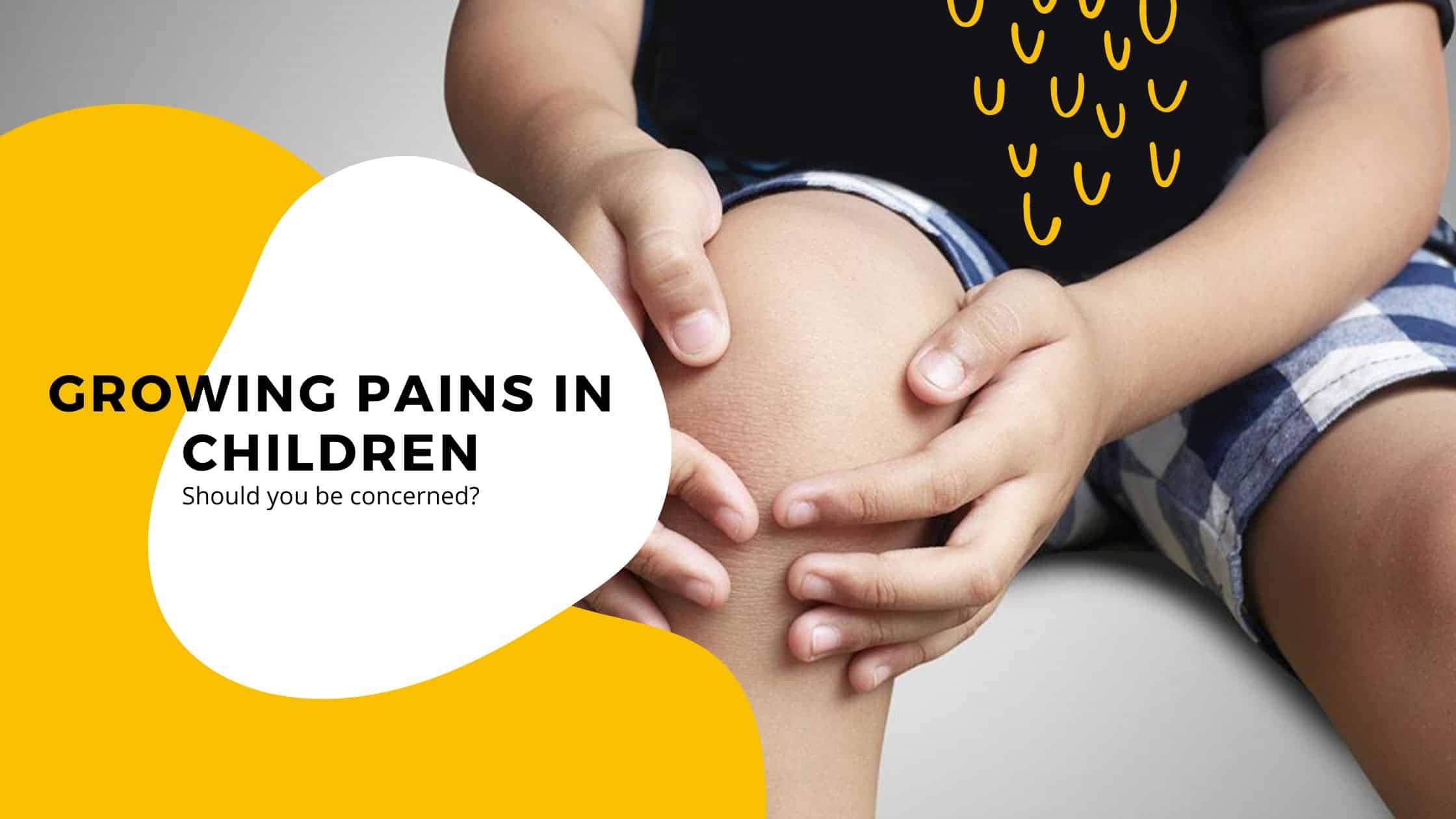
Growing Pains in Children: Reason for Concern

Written by: Monique Milne

As a podiatrist and a mum, I’ve had more than a few sleepless nights thanks to those mysterious “growing pains” in children. One minute, your child’s fine; the next, they’re clutching their legs in tears at bedtime. It can be heartbreaking. Most of the time, you’re told not to worry—it’s just growing pains, right?

But what are growing pains really? Why do some kids breeze through growth spurts without a hitch, while others wince with every step? And perhaps more importantly—when is it time to stop brushing it off and seek help?

Let’s clear up the confusion, based on what I’ve seen in clinic (and at home) over the last decade.

What Do Growing Pains Feel Like?

Growing pains tend to creep in late in the day, often just as kids are winding down for bed. The pain usually shows up in both legs—behind the knees, through the calves, or up the front of the thighs. It’s a dull ache, not sharp or sudden, and it can last anywhere from a few minutes to a couple of hours.

I’ve had many parents tell me their child’s pain seems to come out of nowhere, especially after an active day. Think about all the sprinting and dodging in Auskick or bounding across the monkey bars at recess—it adds up.

Are Growing Pains Normal?

Here’s the clincher: growing pains aren’t actually caused by bones growing too fast—despite what most people think. Growth itself shouldn’t be painful. But the muscles and tendons attached to those bones? That’s another story.

When kids are growing quickly—particularly between ages 4–8 and again in early adolescence—their muscles can get tight and overworked, especially if they’re active. It’s a bit like driving a car with wheels out of alignment: everything moves, but some parts take more strain than others.

From what I’ve seen in clinic, these aches are more common in children who:

  • Are super active (netballers, dancers, little soccer dynamos)
  • Walk on hard surfaces barefoot too often
  • Skip proper warm-ups or stretching
  • Have flat feet or poorly supported shoes

That last one’s especially true here in Melbourne, where kids often go barefoot on hard tiles indoors or run across bitumen schoolyards in shoes that should’ve been replaced a term ago.

How Can You Help Your Child’s Growing Pains at Home?

As a mum and clinician, I’ve trialled most options on the market for my own little one—and what I recommend in clinic are the strategies that consistently get results. The goal? Reduce muscle tension, boost circulation, and stop the pain from dragging your child down—especially at night.

Here’s my go-to treatment plan for growing pains:

Daily Massage (5 Minutes)

Where to focus: calves, behind the knees, front of thighs
Tools you can use:

  • Your hands
  • A foam roller
  • A spiky massage ball
  • “Point of Release” massage stick

You don’t need to be a physio to do this right. Just use firm, gentle strokes in the direction of the muscle—up towards the heart. A good tip is to do this after a warm bath or shower, when muscles are more relaxed.

Clinical tip: One family I work with keeps a massage roller in the lounge room, and their son uses it while watching TV in the evenings. Pain has halved since making it a routine.

Apply Heat to Relax Tight Muscles

A heat pack or wheat bag over the calves or thighs before bed (and even in the morning) can do wonders.

  • Time: 10 minutes
  • How often: Daily during flare-ups

Heat encourages blood flow, which delivers oxygen and nutrients to sore muscles. It’s simple but incredibly effective—and often overlooked.

Footwear and Support

This one’s often missed, but it’s a game-changer.

In clinic, I always check whether kids are wearing proper supportive shoes. Flat feet or worn-out sneakers without arch support can add stress to already overworked muscles and tendons.

What to check at home:

Checkpoint

What to Look For

Heel counter

Firm, doesn’t collapse when you pinch it

Arch support

Not flat inside—there should be a slight rise

Midsole

Can’t bend the shoe in half easily

Age of shoe

Replace every 6–8 months (or sooner if scuffed, worn, or outgrown)

A Melbourne-specific note: Kids walking barefoot on tiled floors all summer holidays? Common. But it contributes to increased muscle fatigue in the lower legs. I often recommend indoor sandals with arch support (like Birkenstocks or Orthoheels) to reduce strain during growth spurts.

When Is It Not Just Growing Pains?

This is the bit I always stress to parents: pain that doesn’t fit the pattern should never be brushed off.

Here’s when I suggest booking in a paediatric podiatry assessment:

  • The pain is one-sided only
  • The pain occurs in the heel, under the foot, or front of the knee
  • Your child limps, even slightly
  • Pain lingers after rest or sleep
  • There’s swelling, redness, or heat
  • Your child’s sport performance drops or they start avoiding activities

These signs could point to something more structural or inflammatory—like Sever’s disease (a common heel growth plate issue), Osgood-Schlatter’s (knee-related), or issues related to flat feet or hypermobility.

Clinic story: One of my young patients, a keen dancer, came in for “growing pains” that turned out to be a developing stress reaction in the shin. We picked it up early with biomechanical testing and got her onto a structured recovery plan—no long-term damage.

What to Expect from a Paediatric Assessment

At Well Heeled Podiatry, our assessments are play-based, calm and child-friendly. We don’t just look at the sore spot—we assess how your child stands, moves, and loads their body.

We may check:

  • Foot posture (e.g. flat feet or alignment issues)
  • Muscle flexibility and strength
  • Gait (walking and running pattern)
  • Shoe wear patterns
  • Activity levels and injury history

From there, we create a plan that could include:

  • Muscle release and strengthening
  • Stretch programs tailored for home
  • Supportive footwear recommendations
  • Orthotics (only when truly needed)

Common Myths About Growing Pains (And What’s Actually True)

There’s a lot of misinformation floating around when it comes to children’s leg pain. Let’s clear the air:

Myth 1: “All leg pain in kids is normal”

Absolutely not. Just because a child is growing doesn’t mean their pain should be ignored. Persistent or localised pain—especially if it affects movement—deserves proper assessment.

True story: I once saw an 11-year-old boy who was misdiagnosed for months with growing pains, when it turned out to be early-stage juvenile arthritis. With the right referral and management, his inflammation was brought under control quickly.

Myth 2: “There’s nothing you can do for growing pains”

Wrong again. While we can’t stop your child from growing (nor would we want to!), we can absolutely reduce the muscle strain and discomfort that comes with rapid growth. Massage, heat, footwear, activity load management—it all makes a difference.

Myth 3: “Only sporty kids get growing pains”

Even less active kids can experience pain, particularly if they have poor foot posture or tight muscles. Kids with flat feet, for example, may still develop muscle fatigue simply from walking around the schoolyard or shopping centre.

Real-Life Scenarios I See in Clinic

To help you picture it more clearly, here are a few common presentations:

Case A: The Heel Screamer (Sever’s Disease)

  • Age: 9-year-old boy
  • Activities: Auskick, PE twice a week, soccer training
  • Symptoms: Heel pain after sport, especially barefoot around the house
  • Diagnosis: Sever’s Disease (heel growth plate inflammation)
  • Plan: Rest from hard surfaces, heel lifts in shoes, spiky ball calf release, short-term orthotics
  • Outcome: Back to full activity within 6 weeks, no lingering pain

Case B: The Night-Time Ache

  • Age: 7-year-old girl
  • Activities: Gymnastics and school play rehearsals
  • Symptoms: Bilateral thigh pain in the evening, worse after busy days
  • Assessment: Flexible joints, weak glutes, tight calves
  • Plan: Daily heat pack before bed, glute activation exercises, supportive indoor sandals
  • Outcome: Slept through the night after one week of changes, no pain in two months

A Parent’s Checklist: When to Monitor and When to Act

Here’s a quick-reference table you can screenshot or print:

Situation

What You Can Do

When to See a Podiatrist

Dull ache in both legs at night

Massage, heat, good shoes

If it lasts more than 2–3 weeks

Pain after sport

Rest, reduce activity, apply ice if inflamed

If it recurs every time they play

Pain in one foot, knee or heel

Don’t wait

Book an appointment

Limping or avoiding walking

Keep child off their feet

Book immediately

Pain that wakes them from sleep

Use heat, gentle massage

If it happens more than twice a week

Growing Pains Don’t Have to Be a Mystery

As a parent, I know how easy it is to second-guess yourself: “Am I overreacting?” or “They’ll probably grow out of it.” But your gut feeling matters—and your child deserves to move pain-free.

Whether it’s a simple muscle ache or something more complex, getting the right diagnosis early can prevent weeks (or months) of unnecessary discomfort.

At Well Heeled Podiatry, we’re here to listen, assess, and help your child get back to doing what they love—running, jumping, and sleeping soundly.

Monique Milne is the experienced Director of Well Heeled Podiatry, offering comprehensive podiatry care with a focus on sports podiatry. Her expertise spans a wide range of services, including biomechanical and gait assessments, 3D scanning and orthotics, nail surgery, children's lower limb development, and treatment for various foot and leg conditions.

With advanced qualifications in shockwave therapy, foot mobilisation and manipulation techniques (FMT), tool-assisted massage (TAS), prolotherapy, and dry needling, Monique provides cutting-edge treatments for musculoskeletal conditions of the feet and lower limbs. Well Heeled Podiatry also offers specialized services such as pre-pointe assessments, Keryflex treatments, and Moon Boot fittings.

Monique's professional background includes working in a High Risk Multidisciplinary Foot and Leg Clinic at The Queen Elizabeth Hospital in South Australia, collaborating with various medical specialists. Her experience extends to public speaking, presenting educational material, and supervising podiatry and medical students. Recognized by the Australian Podiatry Association and Sports Medicine Australia, Monique is dedicated to excellence in podiatry care and continuously seeks passionate, like-minded podiatrists to join her team at Well Heeled Podiatry.

Posted in
Table of Contents
    logo-retina-png (1)

    At Well Heeled Podiatry in Hampton, we provide exceptional foot and ankle care based on innovation, expertise, and compassion pillars. Nestled in the heart of Hampton, our clinic is a sanctuary for those seeking relief from foot pain, improvement in mobility, and the highest standard of podiatric services.

    Call: (03) 9603 0334
    Email: contact [@] wellheeledpodiatry.com.au

    Well Heeled Podiatry Services